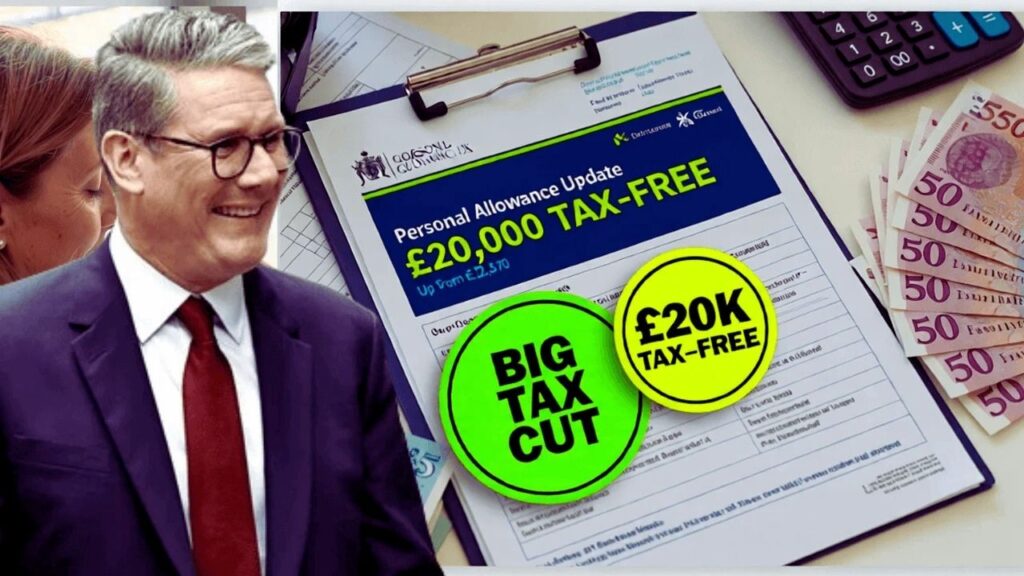
The UK government has responded to growing public pressure regarding the personal tax allowance, addressing calls for a significant rise to £20,000. While the standard allowance remains at £12,570 for the current and upcoming tax years, recent developments highlight a key milestone in public campaigns pushing for change. Many households facing rising living costs see this as a potential lifeline to ease financial strain.
Current Personal Allowance Rules
The personal allowance represents the amount of income an individual can earn each year before income tax applies. For the 2025/26 tax year and into 2026/27, this threshold stands unchanged at £12,570. This means most workers pay no income tax on earnings below that figure.
Above £100,000, the allowance begins to taper away. For every £2 earned over that level, the allowance reduces by £1 until it disappears completely at £125,140. These rules apply across England, Wales, and Northern Ireland, with Scotland having its own income tax bands but sharing the same base allowance.
The government has extended the freeze on the personal allowance and other key thresholds until at least 2031. This policy, first introduced in earlier budgets, continues to generate extra revenue for public services as wages rise with inflation while tax bands stay fixed.
Public Campaigns and Petitions
A major online petition calling for the personal allowance to increase from £12,570 to £20,000 has gained substantial support in recent months. Campaigners argue that the current threshold no longer reflects the realities of higher rents, energy bills, mortgages, and general living expenses.
The petition reached important signature milestones, triggering an official government response. Supporters believe raising the allowance would put more money back into workers’ pockets and help struggling families cope with the cost of living.
- The petition to raise the personal allowance to £20,000 attracted tens of thousands of signatures from concerned taxpayers.
- Campaigners highlight how frozen thresholds effectively increase the tax burden over time without direct rate changes.
- Many signatories point to the impact on middle-income households facing multiple financial pressures.
- The government response emphasized fiscal responsibility and the high cost of such a change.
Government Response and Fiscal Considerations
In its formal reply, the Treasury stated it has no current plans to lift the personal allowance to £20,000. Officials noted that implementing this would carry a significant annual cost exceeding £50 billion, which could affect funding for public services and economic stability.
The government reiterated its commitment to keeping taxes low for working people where possible. Any future adjustments to tax thresholds would typically be announced during the annual Budget process. For now, the focus remains on balancing support for households with responsible management of national finances.
This stance comes amid ongoing debates about tax policy and its effects on different income groups. While some welcome the freeze as a way to raise necessary revenue, others view it as a hidden tax rise that hits ordinary earners hardest.
Impact on Taxpayers and What Comes Next
For the average worker, the unchanged allowance means any pay increases above inflation could push more income into taxable bands. This phenomenon, sometimes called fiscal drag, gradually raises the effective tax bill without Parliament voting on higher rates.
Lower and middle-income families may feel the pinch most acutely as everyday costs continue to rise. On the positive side, the current system still leaves a meaningful tax-free portion of earnings intact, and other reliefs such as the marriage allowance or blind person’s allowance can provide additional support for eligible individuals.
Looking ahead, taxpayers should monitor future Budget announcements for any shifts in policy. In the meantime, simple steps like checking tax codes, claiming all available reliefs, and reviewing pension contributions can help optimize take-home pay under existing rules.
The milestone reached by the petition underscores strong public interest in tax reform. While a jump to £20,000 appears unlikely in the short term, the conversation highlights broader concerns about affordability and the balance between personal finances and government spending.
In summary, the UK government’s latest update confirms the personal tax allowance stays at £12,570 despite campaigns pushing for £20,000. The issue remains a focal point for many households hoping for greater relief in future budgets. For now, understanding the current thresholds and planning accordingly offers the best way to manage tax obligations effectively.
FAQs
What is the current UK personal tax allowance?
The standard personal allowance is £12,570 per year, meaning most people pay no income tax on earnings up to that amount.
Will the personal allowance rise to £20,000 in 2026?
No, the government has stated it has no plans to increase the allowance to £20,000 due to the substantial fiscal cost involved.
How long will the current tax thresholds remain frozen?
The personal allowance and main tax bands are frozen until at least April 2031, following extensions announced in recent budgets.
Who loses their personal allowance at higher incomes?
The allowance tapers for those earning over £100,000 and is fully withdrawn at £125,140 or above.
What can taxpayers do to reduce their tax bill under current rules?
Check your tax code is correct, claim any available reliefs or allowances, and consider pension contributions or other tax-efficient savings options where suitable.